Research-based information on 99+ peptides across 11 categories
Showing 99 of 99 peptides
A modified growth hormone releasing hormone (GHRH) analog with a Drug Affinity Complex that binds to albumin, extending its half-life to approximately 6-8 days. This allows for sustained GH elevation with less frequent dosing compared to non-DAC variants.
A short-acting GHRH analog with four amino acid substitutions that protect it from enzymatic degradation, resulting in a half-life of approximately 30 minutes. It produces acute GH pulses that more closely mimic natural physiology.
A highly selective growth hormone releasing peptide (GHRP) that stimulates GH release through the ghrelin receptor without significantly affecting cortisol, prolactin, or appetite. Considered one of the cleanest GH secretagogues available.
A 29-amino acid GHRH analog representing the shortest fully functional fragment of native GHRH. It was previously FDA-approved for diagnosing and treating GH deficiency in children before being discontinued for commercial reasons.
A hexapeptide growth hormone secretagogue that acts on the ghrelin receptor to stimulate potent GH release. It is notable for also strongly stimulating appetite through ghrelin pathway activation, making it useful where increased caloric intake is desired.
A synthetic hexapeptide GH secretagogue considered the most potent in the GHRP family. It produces strong GH release through the ghrelin receptor with moderate effects on appetite, cortisol, and prolactin, falling between GHRP-6 and ipamorelin in selectivity.
A potent synthetic hexapeptide GH secretagogue and one of the strongest GHRPs available. It produces substantial GH release but is limited by rapid desensitization with continued use and notable effects on cortisol and prolactin.
An FDA-approved GHRH analog indicated for the reduction of excess abdominal fat in HIV-infected patients with lipodystrophy. It is a 44-amino acid peptide with a trans-3-hexenoic acid modification that enhances stability.
An orally active, non-peptide growth hormone secretagogue that mimics ghrelin signaling to increase GH and IGF-1 levels. Though technically not a peptide, it is commonly grouped with GH peptides due to its mechanism and widespread use in the research community.
A modified fragment of human growth hormone (amino acids 177-191) with an added tyrosine at the N-terminus. It was developed to isolate the fat-metabolizing activity of GH without its growth-promoting or diabetogenic effects.
The C-terminal fragment of human growth hormone representing amino acids 176-191. This region is responsible for the fat-metabolizing properties of GH and has been shown to promote lipolysis without the anabolic or diabetogenic effects of full-length GH.
An orally active ghrelin receptor agonist developed primarily for cancer-related anorexia and cachexia. It stimulates appetite and increases GH secretion through selective ghrelin mimicry, and has received regulatory approval in Japan.
A pentadecapeptide derived from human gastric juice that accelerates healing of tendons, ligaments, muscles, and the GI tract. One of the most widely researched healing peptides with robust animal data.
A naturally occurring 43-amino acid peptide present in virtually all human cells. Plays a critical role in tissue repair, cell migration, and new blood vessel formation following injury.
An active fragment of Thymosin Beta-4 encompassing the actin-binding domain. Retains key healing properties of the full molecule in a smaller, more targeted form with potentially improved tissue-specific activity.
A tripeptide derived from the C-terminal end of alpha-melanocyte stimulating hormone (α-MSH). Possesses potent anti-inflammatory properties without the melanogenic effects of the parent hormone.
A stabilized variant of the BPC pentadecapeptide family, designed to improve bioavailability and extend activity. Shares the core healing mechanisms of BPC-157 with modifications aimed at enhanced oral stability.
An 11-amino acid synthetic peptide derived from the B helix of erythropoietin. Selectively activates the innate repair receptor (IRR) to promote tissue protection and repair without erythropoietic (blood cell) stimulation.
A naturally occurring tripeptide with strong affinity for copper(II) ions. Found in human plasma, saliva, and urine, it declines with age. Widely used for wound healing, skin rejuvenation, and hair growth.
A tetrapeptide naturally released from Thymosin Beta-4 by prolyl oligopeptidase. Acts as a potent endogenous antifibrotic agent and is normally present in human plasma and urine. Hydrolyzed by ACE.
A nonapeptide originally isolated from rabbit brain that promotes deep delta-wave sleep. Increasingly recognized for its role in recovery through improved sleep architecture, stress modulation, and hormonal regulation.
A semi-synthetic polysulfated xylan derived from beechwood hemicellulose. FDA-approved for interstitial cystitis and widely used in veterinary medicine for osteoarthritis. Promotes joint recovery and cartilage protection.
A neuropeptide preparation derived from enzymatic breakdown of purified porcine brain proteins. Contains a mixture of small peptides and free amino acids with neurotrophic activity, used clinically for stroke and TBI recovery.
A synthetic hexapeptide analog of angiotensin IV, developed at Washington State University. Extraordinarily potent cognitive enhancer and neuroprotective agent, reported to be 10 million times more potent than BDNF at promoting synaptic connectivity.
A GLP-1 receptor agonist originally developed for type 2 diabetes that has become the leading FDA-approved medication for chronic weight management. Semaglutide mimics the incretin hormone GLP-1, reducing appetite, slowing gastric emptying, and improving glycemic control.
A first-in-class dual GIP and GLP-1 receptor agonist that has demonstrated superior weight loss compared to other incretin-based therapies. Tirzepatide uniquely targets both incretin pathways, producing remarkable results in clinical trials for obesity and type 2 diabetes.
A GLP-1 receptor agonist and one of the first FDA-approved injectable medications specifically for chronic weight management. While it requires daily dosing and produces less weight loss than newer agents, liraglutide has an extensive safety track record and remains widely used.
A mitochondrial-derived peptide encoded in the 12S rRNA gene that acts as a metabolic regulator. MOTS-c activates AMPK signaling, enhances glucose metabolism, and improves exercise capacity, positioning it as a novel approach to metabolic health and weight management.
A triple monoamine reuptake inhibitor originally developed for neurodegenerative diseases that was repurposed for obesity after significant weight loss was observed in clinical trials. Tesofensine suppresses appetite and increases thermogenesis through enhanced norepinephrine, dopamine, and serotonin signaling.
A small molecule inhibitor of nicotinamide N-methyltransferase (NNMT), an enzyme overexpressed in fat tissue that contributes to obesity and metabolic dysfunction. By blocking NNMT, 5-Amino-1MQ shifts fat cells toward a more metabolically active state, promoting fat loss and improving cellular energy metabolism.
The injectable formulation of 5-Amino-1MQ — a small molecule NNMT inhibitor. The subcutaneous route bypasses first-pass metabolism, achieving higher bioavailability and more consistent plasma levels than oral capsules. Increasingly popular in research communities for targeted fat-loss and NAD+ optimization protocols.
A fixed-dose combination of cagrilintide (a long-acting amylin analog) and semaglutide (a GLP-1 receptor agonist) being developed by Novo Nordisk. By targeting two complementary appetite-regulating pathways, CagriSema aims to achieve unprecedented levels of weight loss in a single weekly injection.
A novel triple hormone receptor agonist targeting GLP-1, GIP, and glucagon receptors simultaneously. Developed by Eli Lilly, retatrutide has produced the highest weight loss ever recorded in an obesity clinical trial, representing a potential paradigm shift in pharmacological weight management.
A dual glucagon and GLP-1 receptor agonist developed by Boehringer Ingelheim and Zealand Pharma. Survodutide leverages glucagon receptor activation to increase energy expenditure while using GLP-1 agonism for appetite suppression, with a particular focus on metabolic-associated steatohepatitis (MASH) and liver health.
A synthetic small molecule agonist of estrogen-related receptor gamma (ERRγ) developed at Saint Louis University. SLU-PP-332 mimics the metabolic effects of exercise by activating the same nuclear receptor pathways that are upregulated during physical activity, enhancing oxidative metabolism in skeletal muscle and promoting a shift toward fatigue-resistant muscle fiber types without actual exercise.
A synthetic tetrapeptide (Ala-Glu-Asp-Gly) based on the natural peptide epithalamin produced by the pineal gland. Epithalon is one of the most studied anti-aging peptides, primarily researched for its ability to activate telomerase and thereby elongate telomeres — the protective caps on chromosomes that shorten with age.
A D-retro-inverso peptide designed to disrupt the interaction between FOXO4 and p53 in senescent cells. By blocking this survival mechanism, FOXO4-DRI selectively triggers apoptosis in senescent cells while leaving healthy cells unaffected — a targeted senolytic approach to reversing age-related cellular deterioration.
A mitochondria-targeted tetrapeptide that selectively concentrates in the inner mitochondrial membrane, binding to cardiolipin to stabilize electron transport chain function. SS-31 protects mitochondria from oxidative damage and restores bioenergetic capacity, addressing one of the fundamental drivers of aging.
A peptide bioregulator derived from the thymus gland, developed by Russian researchers Khavinson and Morozov. Thymalin restores immune function by supporting T-cell maturation and thymic activity, which naturally decline with age (thymic involution). It has been studied extensively in geriatric populations for its immune-restorative and longevity-promoting effects.
An ultra-short bioregulator peptide consisting of just two amino acids (lysine-glutamic acid) developed by the Khavinson research group. Despite its minimal size, Vilon demonstrates significant immunomodulatory and gene-regulatory effects, particularly on thymic function and T-cell immunity. It represents the smallest known peptide with documented bioregulatory activity.
A short bioregulator tripeptide (Glu-Asp-Arg) that specifically targets brain tissue, developed as part of the Khavinson peptide bioregulation program. Pinealon penetrates the blood-brain barrier and has demonstrated neuroprotective, cognitive-enhancing, and anti-aging effects on central nervous system tissues in preclinical studies.
A naturally occurring dipeptide composed of beta-alanine and histidine, found in high concentrations in muscle and brain tissue. Carnosine is a potent anti-glycation agent that prevents the formation of advanced glycation end products (AGEs) — a major contributor to aging, diabetes complications, and neurodegenerative disease.
A 24-amino-acid mitochondrial-derived peptide encoded in the 16S ribosomal RNA gene of mitochondrial DNA. Humanin is a potent cytoprotective factor that protects cells against apoptosis and stress, with particular relevance to neurodegenerative diseases, cardiovascular protection, and metabolic health. Its levels decline with age, correlating with age-related disease onset.
A synthetic octapeptide that mimics the N-terminal end of SNAP-25, a key protein in the SNARE complex responsible for neurotransmitter release. By competing with native SNAP-25, SNAP-8 reduces the exocytosis of neurotransmitters at the neuromuscular junction, resulting in decreased muscle contraction and reduced expression lines — often called a 'topical Botox alternative.'
A critical coenzyme found in every cell of the body, essential for energy metabolism, DNA repair, sirtuin activation, and cellular signaling. NAD+ levels decline approximately 50% between ages 40 and 60, contributing to metabolic dysfunction, neurodegeneration, and accelerated aging. Exogenous NAD+ supplementation — via IV infusion, subcutaneous injection, or precursors (NMN, NR) — has become one of the most popular anti-aging interventions.
A tripeptide composed of glutamate, cysteine, and glycine — widely recognized as the body's master antioxidant. Glutathione is present in every cell and plays a central role in detoxification, immune defense, and protection against oxidative stress. Levels decline with age, chronic illness, and toxin exposure, making supplementation (especially via injectable routes that bypass poor oral bioavailability) highly popular in anti-aging and wellness medicine.
A synthetic heptapeptide derived from the ACTH(4-10) fragment with a Pro-Gly-Pro (PGP) tripeptide extension at the C-terminus that confers enzymatic stability. Originally developed in Russia and approved there as a prescription nootropic and neuroprotective agent, Semax enhances BDNF expression and modulates monoamine neurotransmitter systems.
A synthetic heptapeptide anxiolytic derived from the endogenous immunomodulatory peptide tuftsin (Thr-Lys-Pro-Arg) with the same Pro-Gly-Pro stabilizing extension used in Semax. Developed alongside Semax at the Institute of Molecular Genetics in Russia, Selank is approved there as an anxiolytic and nootropic with immunomodulatory properties.
A small synthetic peptide derived from the active region of ciliary neurotrophic factor (CNTF), identified through research aimed at creating a drug-like compound that replicates key neurotrophic effects of Cerebrolysin. P21 crosses the blood-brain barrier and promotes neurogenesis and synaptic plasticity without the mitogenic activity associated with full-length neurotrophic factors.
An acetylated analog of Selank with improved metabolic stability and enhanced blood-brain barrier penetration compared to the parent peptide. The N-acetyl modification protects against aminopeptidase degradation, extending its effective duration of action and potentially increasing central nervous system bioavailability.
An acetylated analog of Semax with enhanced metabolic stability and reportedly greater potency in promoting BDNF expression. The N-acetyl modification reduces susceptibility to aminopeptidase cleavage, extending the peptide's active duration and potentially amplifying its neurotrophic effects.
A 15-amino acid partial sequence of human gastric juice body protection compound. While primarily categorized as a healing and recovery peptide, BPC-157 demonstrates significant neuroprotective and neuroregenerative properties relevant to cognitive enhancement, including dopaminergic system modulation, traumatic brain injury recovery, and nerve growth support. Cross-reference with the healing-recovery category for its primary tissue-repair profile.
A synthetic tetrapeptide bioregulator developed by Professor Vladimir Khavinson at the St. Petersburg Institute of Bioregulation and Gerontology in Russia. Cortagen is designed to target the cerebral cortex, modulating gene expression related to neuronal function and potentially slowing age-related cognitive decline through epigenetic mechanisms.
A 15-amino acid synthetic peptide derived from the second fibronectin type III module of neural cell adhesion molecule (NCAM). FGL(L) mimics the interaction between NCAM and the fibroblast growth factor receptor 1 (FGFR1), promoting neurite outgrowth, synaptic plasticity, and neuroprotection. It was developed as a drug-like NCAM mimetic for cognitive enhancement and neurodegenerative disease research.
A synthetic heptapeptide derived from the propeptide of the mature form of sortilin. PE-22-28 is a potent and selective blocker of the TREK-1 potassium channel, a validated target for antidepressant and cognitive-enhancing effects. It produces rapid-onset antidepressant-like effects in animal models (within 4 days vs. weeks for SSRIs) and promotes neurogenesis in the hippocampus, making it one of the most promising nootropic peptides in research.
An FDA-approved melanocortin receptor agonist originally derived from Melanotan II, developed specifically for the treatment of hypoactive sexual desire disorder (HSDD) in premenopausal women. Unlike PDE5 inhibitors, it acts centrally on the nervous system to enhance sexual desire rather than targeting vascular mechanics.
A 10-amino acid C-terminal fragment of the kisspeptin family that is a potent agonist of the GPR54 (KISS1R) receptor. Kisspeptin is a master regulator of the hypothalamic-pituitary-gonadal (HPG) axis and plays a critical role in puberty onset, reproductive hormone secretion, and sexual behavior.
A synthetic cyclic heptapeptide analog of alpha-melanocyte-stimulating hormone (alpha-MSH) that activates multiple melanocortin receptors. Originally developed for skin tanning, it was found to produce significant pro-sexual effects, leading to the development of PT-141 (bremelanotide) as a more targeted derivative.
A synthetic decapeptide identical to endogenous gonadotropin-releasing hormone (GnRH). When administered in a pulsatile fashion, it stimulates the release of luteinizing hormone (LH) and follicle-stimulating hormone (FSH) from the pituitary, supporting natural testosterone and estrogen production.
A synthetic GnRH agonist decapeptide analog with a D-Trp6 substitution that provides greatly enhanced potency and resistance to enzymatic degradation compared to native GnRH. After an initial stimulatory phase, chronic administration causes pituitary GnRH receptor downregulation, leading to profound suppression of gonadotropins and sex steroid production.
A naturally occurring nonapeptide hormone produced in the hypothalamus and released by the posterior pituitary. Beyond its well-known role in labor and lactation, oxytocin is increasingly studied for its effects on sexual function, pair bonding, social cognition, and emotional regulation.
A linear synthetic analog of alpha-melanocyte-stimulating hormone (alpha-MSH) with substitutions at positions 4 (norleucine) and 7 (D-phenylalanine) that enhance potency and metabolic stability. Primarily targets MC1R for photoprotective tanning, with milder but documented effects on sexual function through partial MC4R activity.
A 28-amino acid peptide originally isolated from thymic tissue by Allan Goldstein in the 1970s. FDA orphan drug and approved in over 35 countries for hepatitis B/C and as an immune adjuvant. Considered the gold standard immune-modulating peptide.
A 43-amino acid peptide ubiquitous in human cells, originally identified in the thymus. While primarily known for tissue repair (see healing-recovery category), TB-500 also plays a significant role in immune regulation through modulation of inflammatory pathways and immune cell migration.
The only human cathelicidin, a 37-amino acid antimicrobial peptide cleaved from the C-terminus of hCAP-18. Functions as a critical component of innate immunity with direct pathogen-killing activity and potent immunomodulatory effects.
A tripeptide fragment from the C-terminus of alpha-melanocyte stimulating hormone (alpha-MSH). Possesses potent anti-inflammatory and antimicrobial properties without melanogenic effects. Particularly relevant for immune regulation in gut and mucosal tissues.
A synthetic dipeptide (L-glutamyl-L-tryptophan) developed as the minimal active fragment responsible for thymic immunomodulation. Used clinically in Russia as a nasal spray for immune support and prevention of respiratory infections.
A synthetic small-molecule mimetic of human host defense peptides (defensins). Designed to replicate the antimicrobial and immunomodulatory functions of natural defensins while offering improved stability and pharmacokinetics over native peptides.
A pentadecapeptide derived from human gastric juice, primarily known for tissue healing but increasingly recognized for its immunomodulatory properties. Modulates immune responses, protects against immune-mediated gut damage, and supports mucosal immunity.
A 28-amino acid neuropeptide naturally produced in the gut, pancreas, brain, and immune cells. VIP is a potent anti-inflammatory and immune regulator that has gained significant popularity for treating chronic inflammatory conditions, mold illness (CIRS), long COVID, and neuroinflammation. It acts through VPAC1 and VPAC2 receptors to modulate immune tolerance and protect mucosal barriers.
A synthetic tetrapeptide based on the natural peptide epithalamin produced by the pineal gland. While primarily known as an anti-aging peptide through telomerase activation, Epitalon plays a significant role in sleep regulation by normalizing melatonin production from the pineal gland, which declines with age. This makes it particularly valuable for age-related sleep disturbances and circadian rhythm dysregulation.
A naturally occurring copper-binding tripeptide known primarily for skin rejuvenation and wound healing. GHK-Cu is included in the sleep category because gene expression studies reveal it upregulates genes involved in circadian rhythm regulation and nervous system repair. By modulating over 4,000 genes — including those governing neuroinflammation and oxidative stress — GHK-Cu may indirectly support sleep quality through systemic tissue restoration and reduced inflammatory burden.
A highly selective growth hormone secretagogue that stimulates GH release from the pituitary via the ghrelin receptor (GHS-R1a). Ipamorelin is particularly relevant to sleep because the largest natural GH pulse occurs during deep slow-wave sleep. By amplifying this pulse when administered before bedtime, Ipamorelin enhances sleep quality, promotes overnight recovery, and deepens restorative sleep phases — all without significantly affecting cortisol or prolactin levels.
The simplest amino acid and an inhibitory neurotransmitter that acts at glycine receptors and as a co-agonist at NMDA receptors. Glycine is one of the most well-evidenced and accessible sleep aids, with multiple randomized controlled trials demonstrating improvements in sleep quality, reduced sleep onset latency, and enhanced next-day cognitive performance. It lowers core body temperature — a key physiological trigger for sleep onset — and modulates central nervous system excitability.
A synthetic hexapeptide that potently stimulates growth hormone release via the ghrelin receptor (GHS-R1a). GHRP-6 is included in the sleep category because it significantly amplifies the nocturnal GH surge that occurs during deep sleep. Unlike Ipamorelin, GHRP-6 also strongly stimulates appetite and has broader hormonal effects (including cortisol and prolactin elevation), making it more suitable for individuals seeking both sleep enhancement and anabolic/recovery support.
A synthetic analog of the naturally occurring immunomodulatory peptide tuftsin, developed at the Institute of Molecular Genetics of the Russian Academy of Sciences. Selank is primarily recognized as an anxiolytic and nootropic peptide, but its relevance to sleep lies in its potent anti-anxiety effects and modulation of GABAergic neurotransmission. By reducing anxiety and normalizing stress responses without sedation, Selank helps resolve the anxiety-driven insomnia that affects a large proportion of sleep disorder patients.
A naturally occurring copper-binding tripeptide present in human plasma, saliva, and urine. GHK-Cu declines with age and is one of the most studied cosmetic peptides, renowned for stimulating collagen synthesis, improving skin elasticity, reducing fine lines, and promoting hair follicle health. It is a staple ingredient in high-end skincare formulations.
A synthetic analog of alpha-melanocyte-stimulating hormone (alpha-MSH) that stimulates melanogenesis, producing a natural-looking tan without UV exposure. Afamelanotide is FDA-approved (as Scenesse) for the prevention of phototoxicity in adults with erythropoietic protoporphyria (EPP), making it one of the few peptides with regulatory approval in this space.
A cyclic heptapeptide analog of alpha-MSH that non-selectively activates multiple melanocortin receptors (MC1R-MC5R). It produces skin tanning, appetite suppression, and notably strong pro-erectile and pro-sexual effects via MC3R/MC4R activation. While widely used in the cosmetic and bodybuilding communities for tanning, its cross-reactivity makes it a dual cosmetic/sexual-health peptide.
A lipopeptide consisting of a palmitoyl group attached to the pentapeptide KTTKS, a fragment of type I procollagen. Branded as Matrixyl, it is one of the most commercially successful cosmetic peptides, clinically shown to stimulate collagen synthesis and reduce wrinkle depth. The palmitoyl group enhances skin penetration by increasing lipophilicity.
A synthetic hexapeptide that mimics the N-terminal end of SNAP-25, a protein essential for SNARE complex formation and neurotransmitter release. By inhibiting this complex in a mechanism analogous to botulinum toxin, Argireline reduces the intensity of facial muscle contractions that cause expression lines — earning it the nickname 'topical Botox.'
A copper-binding tripeptide structurally related to GHK-Cu but with distinct receptor binding properties. AHK-Cu has been shown to be a particularly potent stimulator of hair follicle growth, outperforming both GHK-Cu and minoxidil in certain in vitro models. It also promotes collagen synthesis and wound healing, though its primary cosmetic interest lies in hair restoration.
A cell-permeable peptide designed to activate the Wnt/beta-catenin signaling pathway by disrupting the CXXC5-Dishevelled interaction. This pathway is critical for hair follicle neogenesis and cycling. PTD-DBM has shown remarkable results in preclinical models, stimulating new hair follicle formation from stem cells — a mechanism distinct from existing hair loss treatments that merely preserve existing follicles.
A lipopeptide consisting of the GHK (Gly-His-Lys) sequence attached to a palmitoyl fatty acid chain. It mimics the body's own collagen-repair signaling by acting as a matrikine — a fragment of extracellular matrix proteins that signals fibroblasts to produce new collagen. Often combined with Palmitoyl Tetrapeptide-7 in commercial formulations (marketed as Matrixyl 3000).
A naturally occurring glycoprotein that acts as a potent inhibitor of myostatin and other TGF-beta superfamily members such as activin. The 344 isoform is the full-length precursor that is processed into shorter circulating forms. By neutralizing myostatin, Follistatin 344 removes the endogenous brake on skeletal muscle growth, enabling significant hypertrophy beyond normal physiological limits.
A soluble form of the activin type IIB receptor fused to a human IgG1 Fc domain. It functions as a decoy receptor, binding myostatin, activin, GDF-11, and other TGF-beta superfamily ligands before they can signal through their natural receptors. Originally developed for Duchenne muscular dystrophy, trials were halted due to off-target vascular effects.
The N-terminal propeptide of myostatin that naturally maintains myostatin in an inactive latent complex. When administered exogenously, it binds to and inhibits mature myostatin with high specificity, offering a more targeted approach to myostatin inhibition compared to broader TGF-beta pathway blockers like ACE-031 or Follistatin.
A modified analog of human IGF-1 featuring an arginine substitution at position 3 and a 13-amino-acid N-terminal extension. These modifications drastically reduce binding to IGF binding proteins (IGFBPs), resulting in a much longer effective half-life and greater bioavailability than native IGF-1. It is one of the most potent peptides for promoting skeletal muscle hypertrophy and hyperplasia.
A truncated form of IGF-1 lacking the first three N-terminal amino acids (Gly-Pro-Glu). This modification eliminates binding to most IGF binding proteins, making it approximately 10 times more potent than native IGF-1 at the receptor level. Its extremely short half-life makes it ideal for targeted, site-specific intramuscular injections to promote localized muscle growth.
A splice variant of the IGF-1 gene (IGF-1Ec in humans, IGF-1Eb in rodents) that is expressed locally in muscle tissue in response to mechanical overload and damage. The unique C-terminal E domain distinguishes it from systemic IGF-1 and is responsible for its specific role in activating quiescent satellite cells to begin the repair and growth process.
A PEGylated (polyethylene glycol-conjugated) version of Mechano Growth Factor designed to overcome the extremely short half-life of native MGF. The PEG moiety shields the peptide from rapid enzymatic degradation, extending its biological activity from minutes to several hours. This allows for systemic distribution and a more practical dosing protocol while retaining MGF's satellite cell-activating properties.
A steroidal compound structurally derived from dihydrotestosterone (DHT) that exhibits a dual mechanism: partial agonism at the androgen receptor (SARM-like activity) combined with myostatin inhibition through increased follistatin expression. While often classified with SARMs, its steroidal backbone and unique follistatin-inducing properties place it in a distinct pharmacological category. It is technically a gene-selective androgen receptor modulator with anti-myostatin activity.
The second member of the insulin-like growth factor family, encoded by an imprinted gene primarily expressed from the paternal allele. While IGF-1 is the dominant postnatal growth mediator, IGF-2 plays important roles in muscle development, satellite cell self-renewal, and the early stages of muscle regeneration. It signals through the IGF-1 receptor, the insulin receptor isoform A, and has its own clearance receptor (IGF-2R/mannose-6-phosphate receptor).
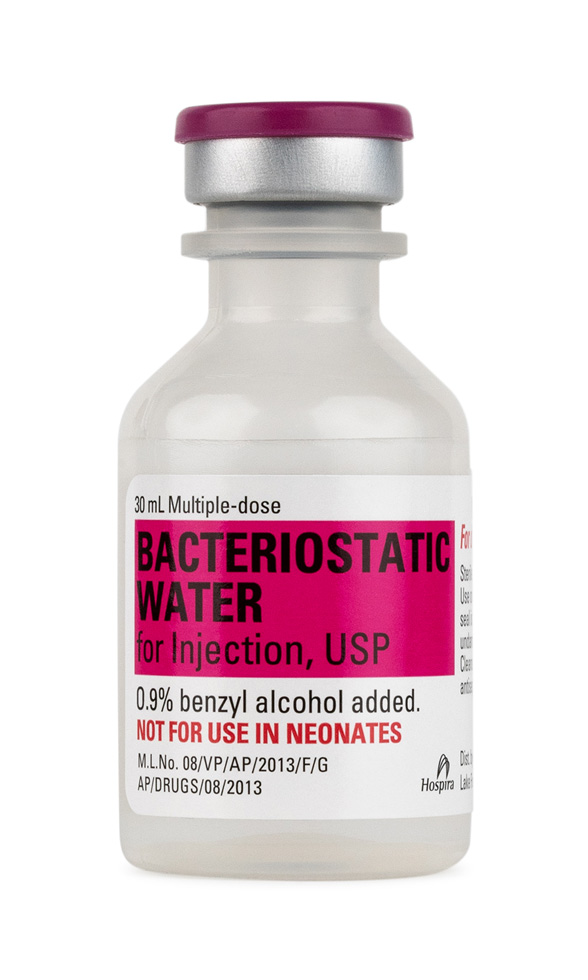
Bacteriostatic water (BAC water) is sterile water that contains 0.9% benzyl alcohol as a bacteriostatic preservative. It is the standard diluent used to reconstitute lyophilized (freeze-dried) peptides before injection. The benzyl alcohol prevents bacterial growth, allowing the reconstituted solution to be used over multiple doses for up to 28 days, unlike sterile water which must be used immediately. BAC water is an essential supply for anyone working with injectable peptides.
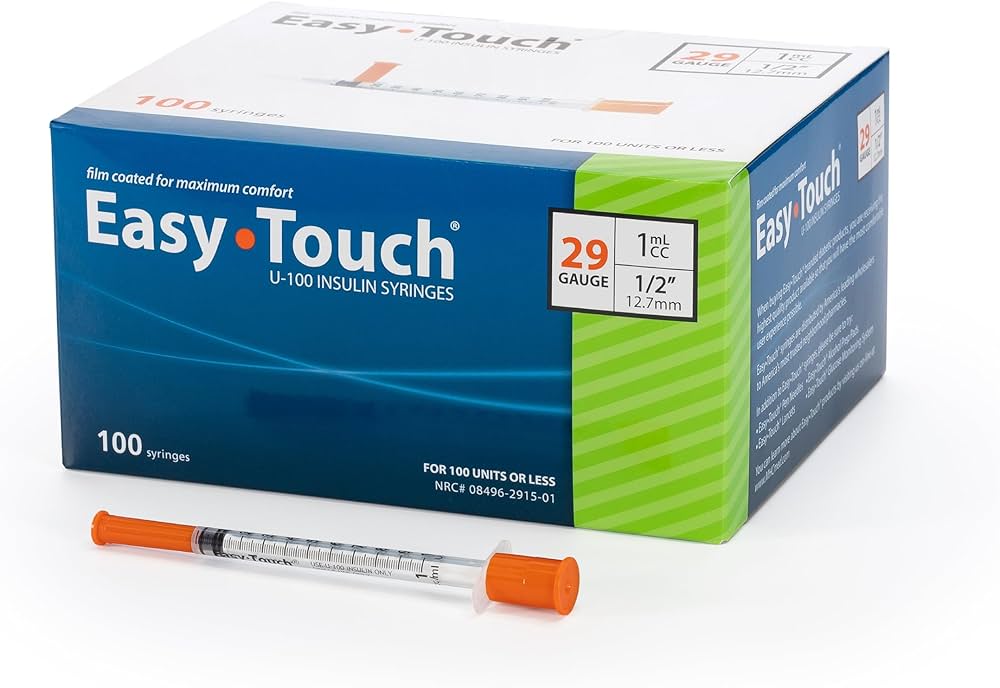
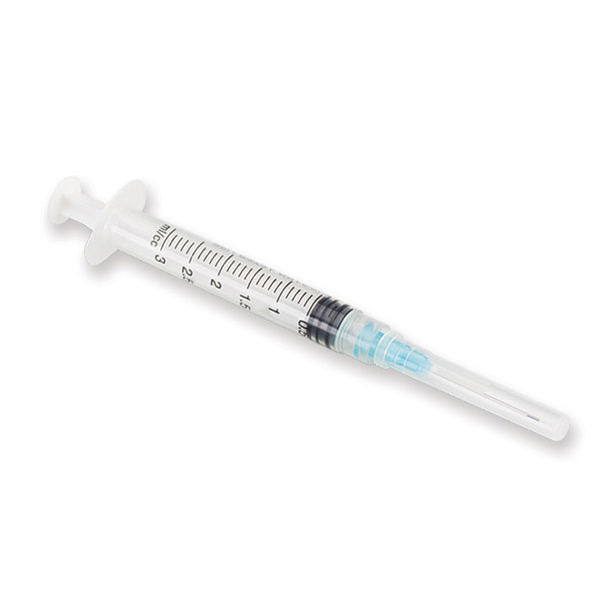
Insulin syringes are the most commonly used syringes for subcutaneous peptide injections. They feature permanently attached fine-gauge needles (typically 29G-31G), come pre-marked with unit graduations, and are designed for precise small-volume injections. Available in U-100 (most common), U-40, and U-50 configurations. The short, thin needles (typically 1/2 inch or 5/16 inch) make them ideal for subcutaneous peptide delivery with minimal pain.
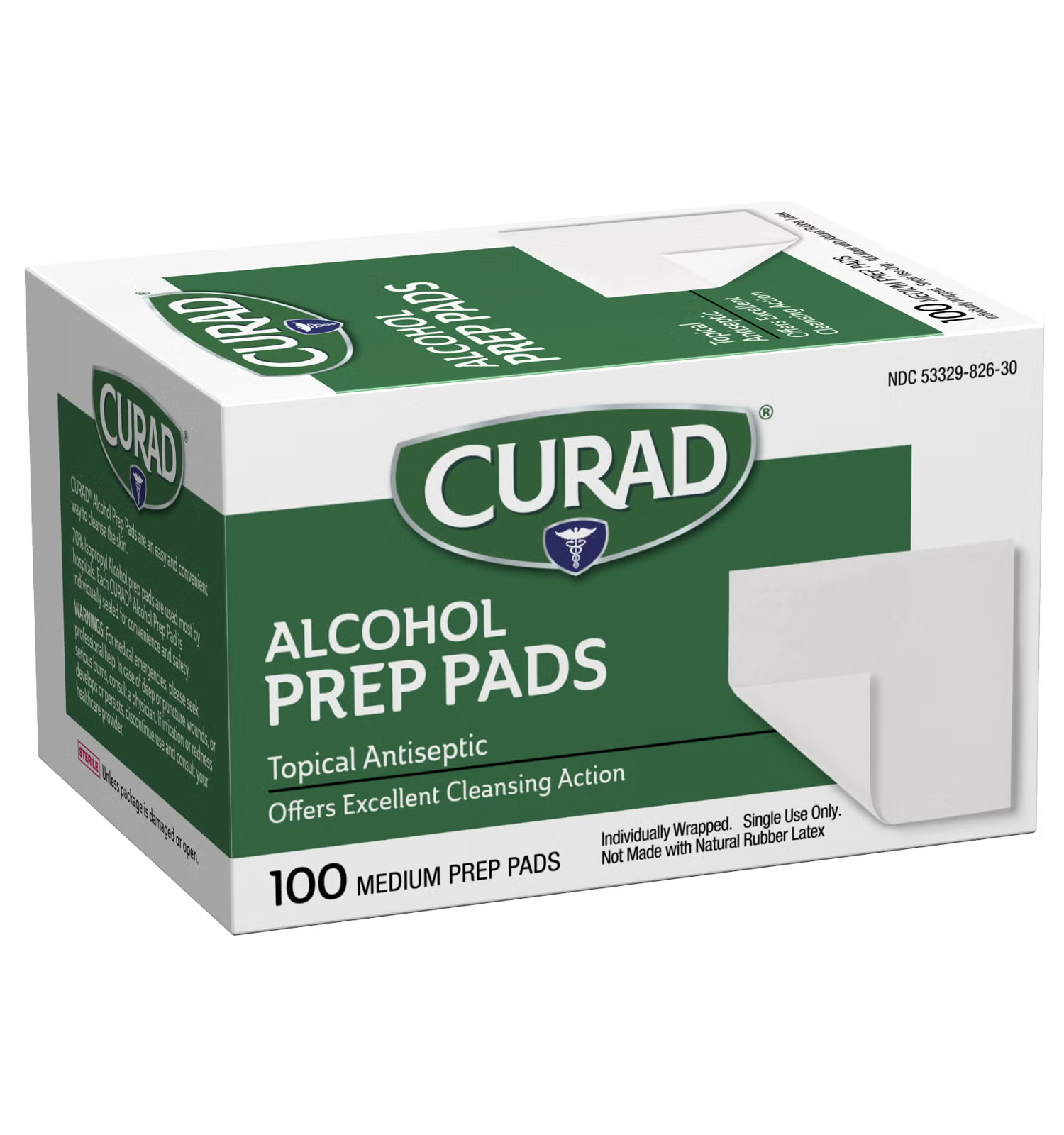
Sterile alcohol prep pads saturated with 70% isopropyl alcohol are an essential infection prevention supply for peptide injection protocols. They are used to disinfect the injection site on the skin, the rubber stopper of peptide vials before drawing solution, and the top of BAC water vials. Proper swabbing technique before each injection significantly reduces the risk of localized infection and contamination.
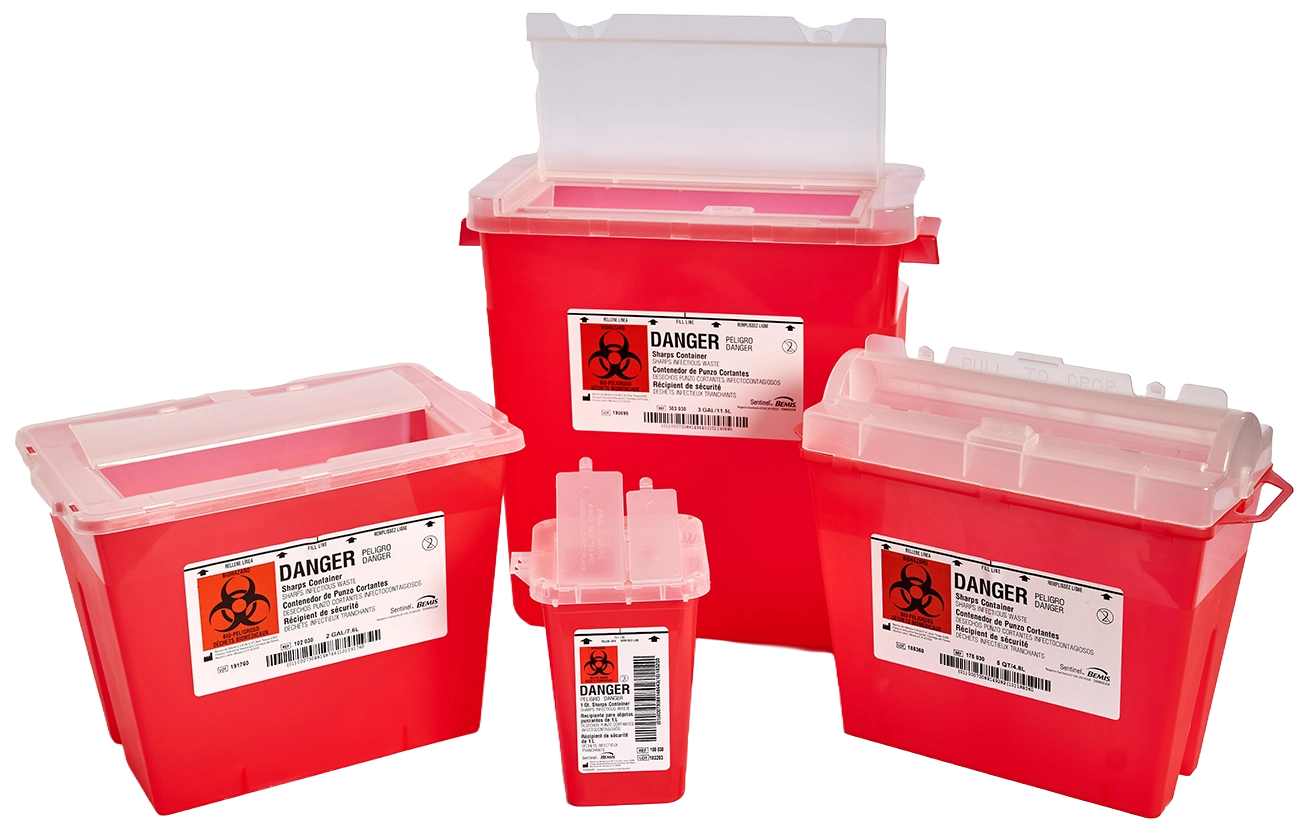
A sharps disposal container is a rigid, puncture-resistant container specifically designed for the safe disposal of used needles, syringes, and other sharp medical waste. Required by law in most jurisdictions for anyone using injectable medications, sharps containers prevent accidental needlestick injuries and environmental contamination. They are a non-negotiable safety essential for any peptide injection protocol.
Mixing and drawing needles are larger-gauge needles (typically 18G-21G) used specifically for reconstituting peptides and drawing solution from vials — not for injection. Their wider bore allows faster, easier drawing of BAC water and reconstituted solution compared to fine insulin needles. Blunt-tip variants are preferred as they prevent coring (punching out rubber fragments) from vial stoppers. After drawing, users switch to a fine-gauge insulin syringe for the actual subcutaneous injection.
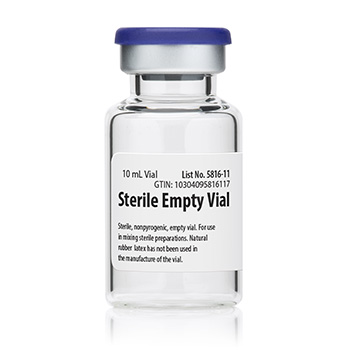
Sterile empty glass vials with rubber stoppers and aluminum crimp seals are used for storing reconstituted peptide solutions or for transferring and combining peptides. These pharmaceutical-grade borosilicate glass vials maintain sterility through the self-sealing rubber stopper, which reseals after each needle puncture. Useful for users who need to split vials, create custom blends, or transfer reconstituted solution for travel or convenience.
All information is for educational purposes only. Consult a qualified healthcare professional before using any peptide. Research statuses reflect publicly available data.